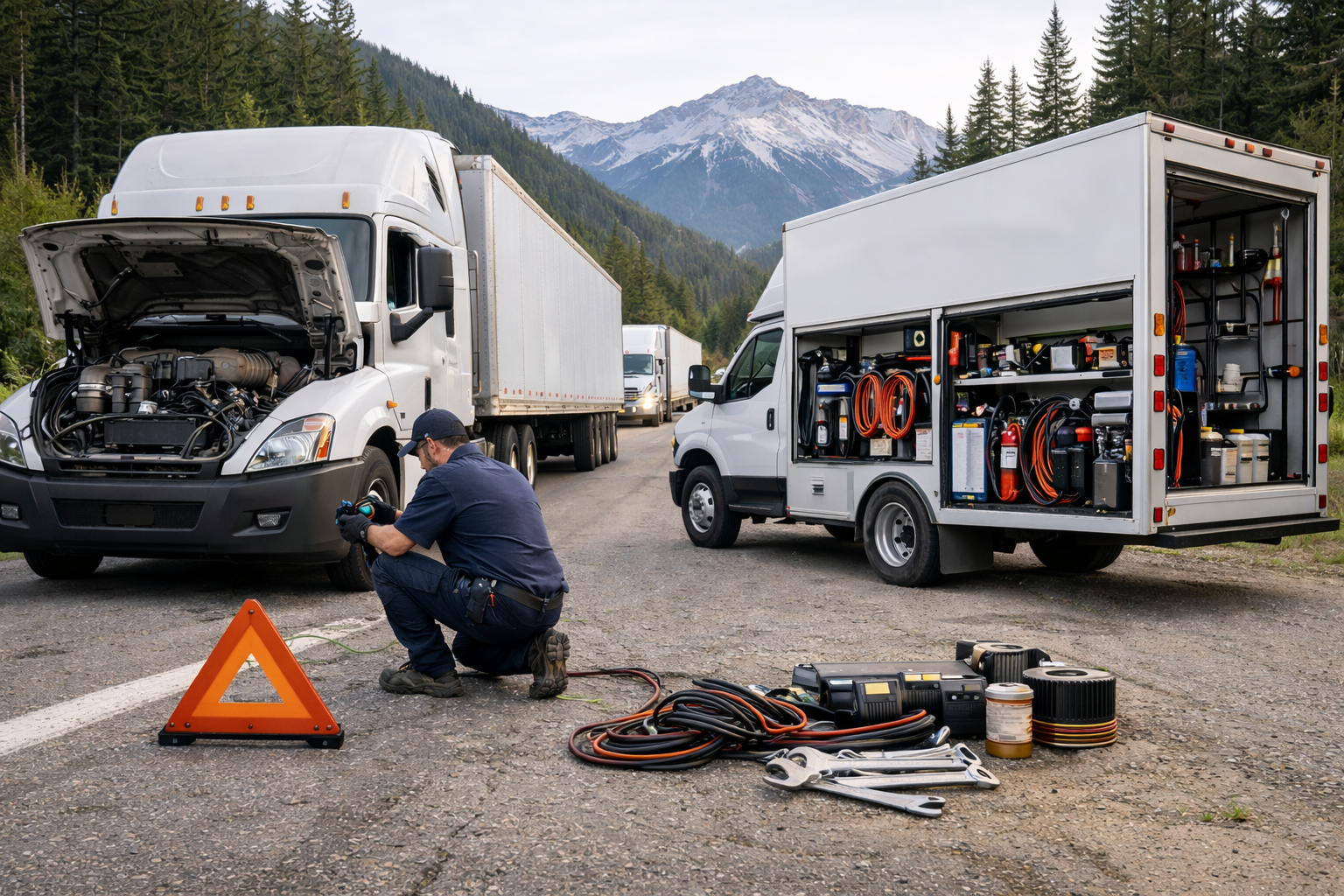
Fleet downtime isn’t just inconvenient — it’s expensive, disruptive, and avoidable. In Colorado, where trucks navigate mountain grades, unpredictable weather, heavy Front Range traffic, and long regional routes, wear and tear adds up fast. When a vehicle goes down unexpectedly, the impact reaches far beyond the repair itself. For fleet managers in Metro Denver, across the Colorado Front Range, mountain regions, and southern Wyoming, downtime isn’t just a mechanical issue — it’s an operational risk. Let’s break down the real cost. The Hidden Costs of Fleet Downtime 1. Lost Revenue from Missed Routes Every truck sidelined is a job delayed, a delivery rescheduled, or a contract strained. Even a single missed route can disrupt customer timelines and damage long-term relationships. 2. Driver Idle Time When trucks aren’t moving, payroll still is. Drivers waiting on roadside repairs or shop availability create unproductive labor costs that stack up quickly. 3. Emergency Repair Premiums Reactive repairs often mean: Rush parts orders Towing expenses Expedited labor Schedule reshuffling While Velocity provides 7am–7pm emergency roadside service when needed, fleets that rely only on reactive service often see higher overall maintenance costs. 4. DOT Violations & Compliance Risk Unexpected breakdowns frequently uncover preventable compliance issues — worn brakes, tire violations, lighting failures, or documentation gaps. A failed inspection can put a vehicle out of service immediately, multiplying downtime. 5. Operational Instability Unplanned repairs create ripple effects: Dispatch scrambling Route coverage gaps Overtime costs Customer service strain Downtime disrupts more than a truck — it disrupts your system. Why Colorado Fleets Face Higher Wear Risks Operating in Colorado presents unique challenges: Steep mountain grades increase brake and transmission wear Rapid temperature shifts affect batteries, fluids, and air systems Stop-and-go Front Range traffic accelerates brake and tire fatigue Long regional routes amplify minor mechanical issues Without structured preventive maintenance , small issues escalate quickly. The Preventive Maintenance Advantage The most cost-effective repair is the one you never have to make. At Velocity Mobile Truck Repair, we help fleets stay proactive — not reactive — with scheduled, on-site preventive maintenance programs designed around your equipment and operations. What That Means for Your Fleet: ✔ On-site service at your yard, depot, or job site ✔ Flexible scheduling that works around operations ✔ Early detection of brake, tire, suspension, and fluid issues ✔ Digital service logs for audit-ready DOT compliance ✔ Reduced roadside breakdowns during operating hours No hauling trucks to a shop. No wasted driver hours. No guessing about compliance status. Just structured, dependable fleet maintenance. What a Strong Preventive Program Includes A properly managed fleet maintenance plan should cover: Safety & Compliance Checks Lights, reflectors, wipers, horns, mirrors Air system & emergency equipment inspections DVIR review and documentation Oil & Fluid Services Oil changes with OEM-grade filters Transmission, coolant, and differential checks Brake fluid and power steering top-offs Inspections & Adjustments Tire pressure and tread depth Brake pad and lining inspections Battery load testing Suspension, steering, and driveline evaluations Service Records & Compliance Tracking Digital maintenance logs per vehicle Inspection documentation Scheduled service reminders When preventive maintenance becomes routine, emergencies become rare. Reliability Is a Strategy — Not a Reaction Fleet reliability doesn’t happen by accident. It’s built through consistency, documentation, and partnership. Velocity Mobile Truck Repair supports fleets of all sizes — from local delivery operations to multi-state carriers — with dependable mobile fleet maintenance and certified DOT inspections across Metro Denver, the Colorado Front Range, mountain regions, and southern Wyoming. We’re not just here when something breaks. We’re here to help make sure it doesn’t. If you’re ready to reduce downtime, control maintenance costs, and protect compliance: Call (303) 949-3699 Now to schedule!

Stay compliant with on-site DOT inspections from Velocity Mobile Truck Repair. Serving Metro Denver, the Front Range, and southern Wyoming. Convenient, certified, and reliable.

Learn why preventive fleet maintenance saves money and reduces downtime compared to emergency truck repairs. Serving Metro Denver, the Front Range, and southern Wyoming.

Learn how to simplify DOT inspections for your fleet. Velocity Mobile Truck Repair provides certified, on-site DOT inspections across Denver, the Front Range, Colorado mountains, and southern Wyoming—keeping your trucks compliant and on the road.
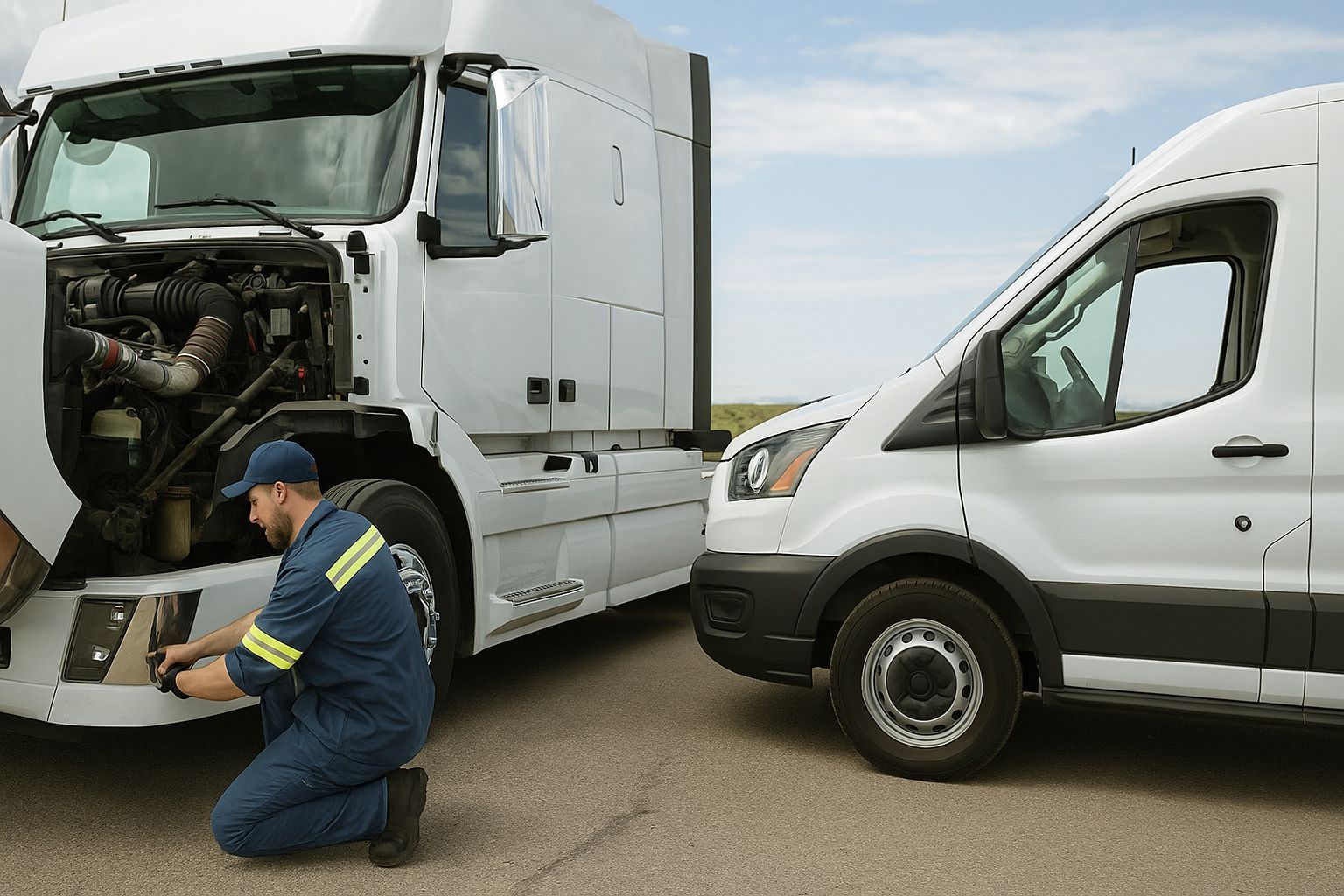
Certified Mobile Mechanics Now Serving Denver Metro, Front Range, and Southern Wyoming with On-Site Repairs, DOT Inspections, and Fleet Maintenance